
Gastautor
Who was that? – Traces of our native animals
Winter
Experience nature consciously
09.12.2025

Whether on muddy forest paths, frosty ground, or soft forest soil, many of our native animals leave behind clearly visible footprints. If you look closely, you can discover exciting stories: Who was here? Where did the trail lead? And how fast was the animal moving?
Every trace is a clue, a silent witness to animal activity. But not every track is easy to recognize, and it is often even more difficult to guess which animal it belongs to. Are you ready to search for tracks?
Animal number 1 Nickname: Reineke

The animal moved with light, almost stealthy steps. The trail shows a straight line — as if someone had worked with a ruler and compass. The prints are about the size of a chicken egg, oval at the front and slightly pointed at the back. Four toes with claws are clearly visible, and the hind paws often land exactly in the footprints of the front paws – typical for an animal that moves quietly and purposefully.
If you look closely, you can see that someone was here who can hear, smell, and see like no other – usually at dusk, with pricked ears and a preference for mice.
SOLUTION
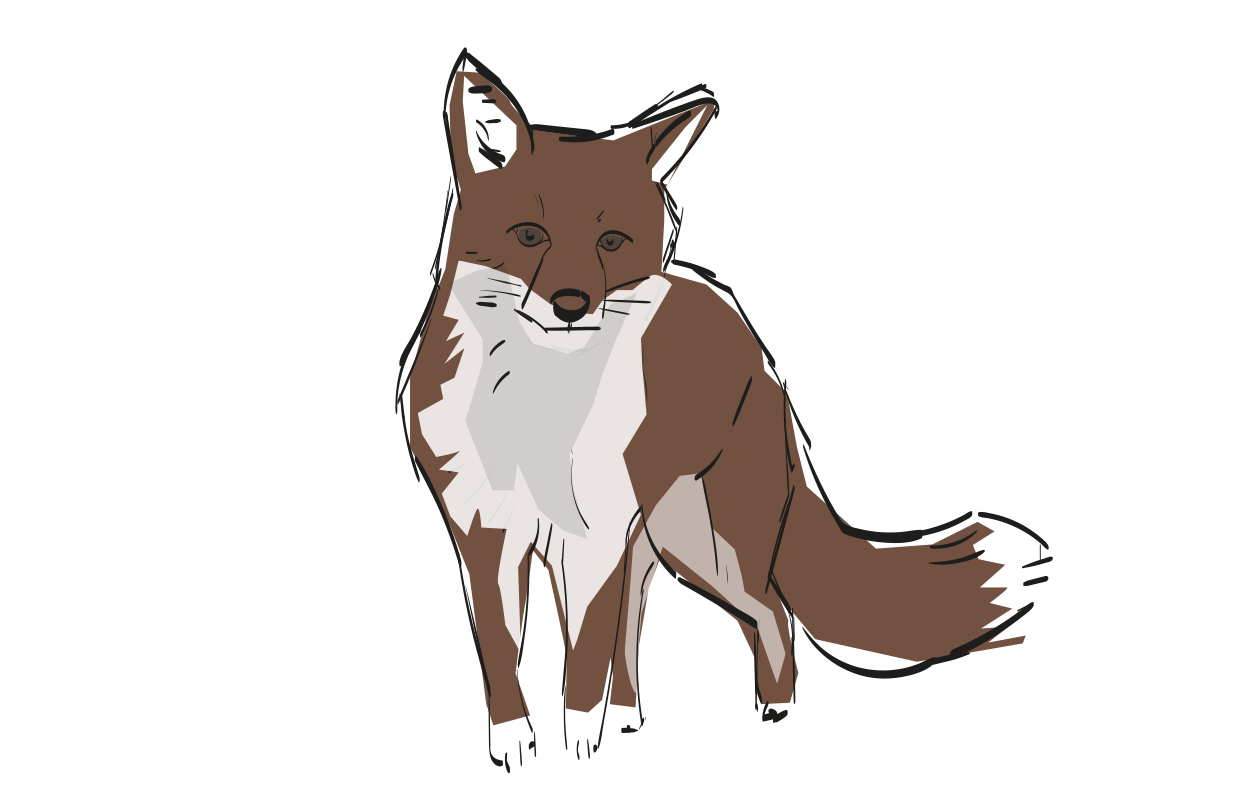
IT WAS THE FOX
The tracks belong to a red fox. It often moves in a so-called pacing gait, whereby the hind paws step almost exactly into the prints of the front paws – this results in a straight, clean track. Foxes are crepuscular, hunt quietly and eat mice as well as berries, insects and carrion. Typical: the bushy tail with a white tip.
Animal number 2 Nickname: King of the Skies
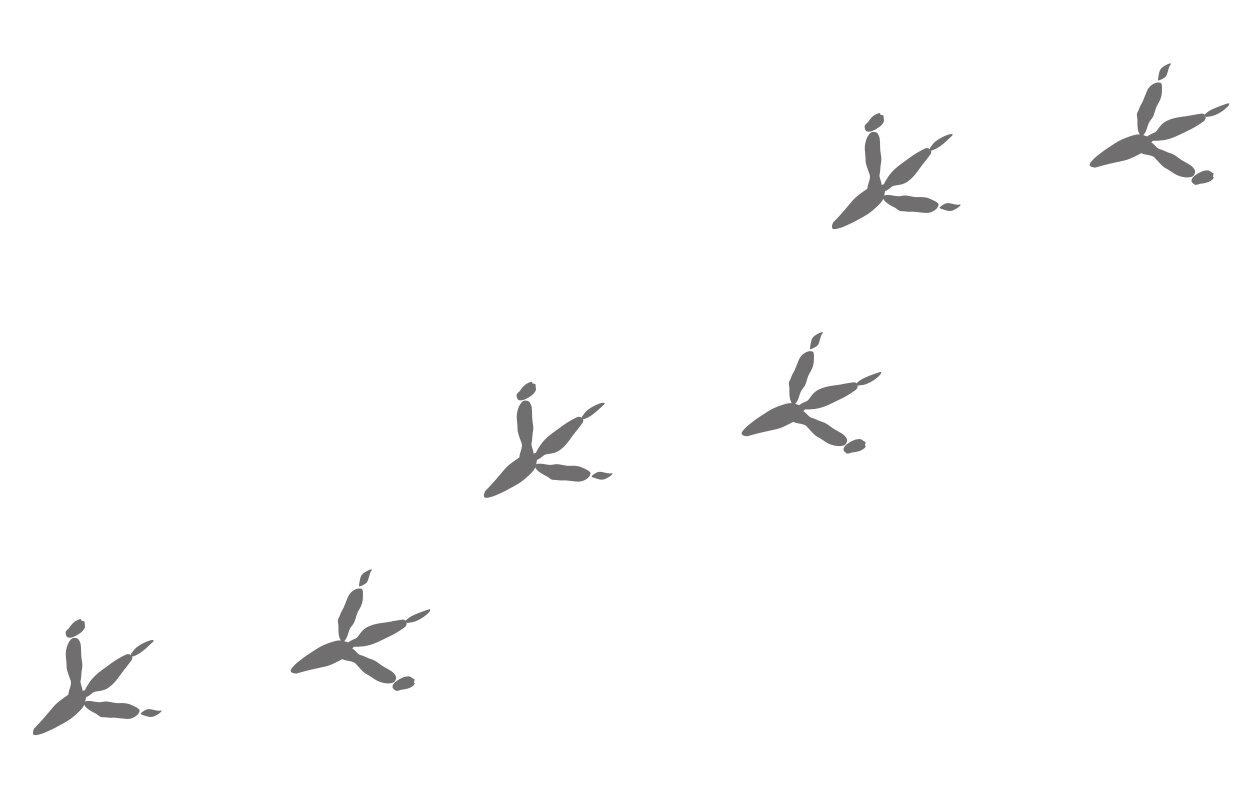
The animal moved with powerful but astonishingly precise movements. The tracks are irregularly spaced, often with several decimeters between them — as if the animal had risen into the air or landed again shortly thereafter. Clear signs sometimes remain in the snow: long, pointed claws, pointing forward, powerful, built for gripping.
If you look closely, you will discover that this was a hunter who did not stalk its prey, but glided. One that observed what was moving below from a great height. With sharp eyesight that could spot mice on the ground from many hundreds of meters away, and with wings that barely touched the wind until the moment came to strike.
solution
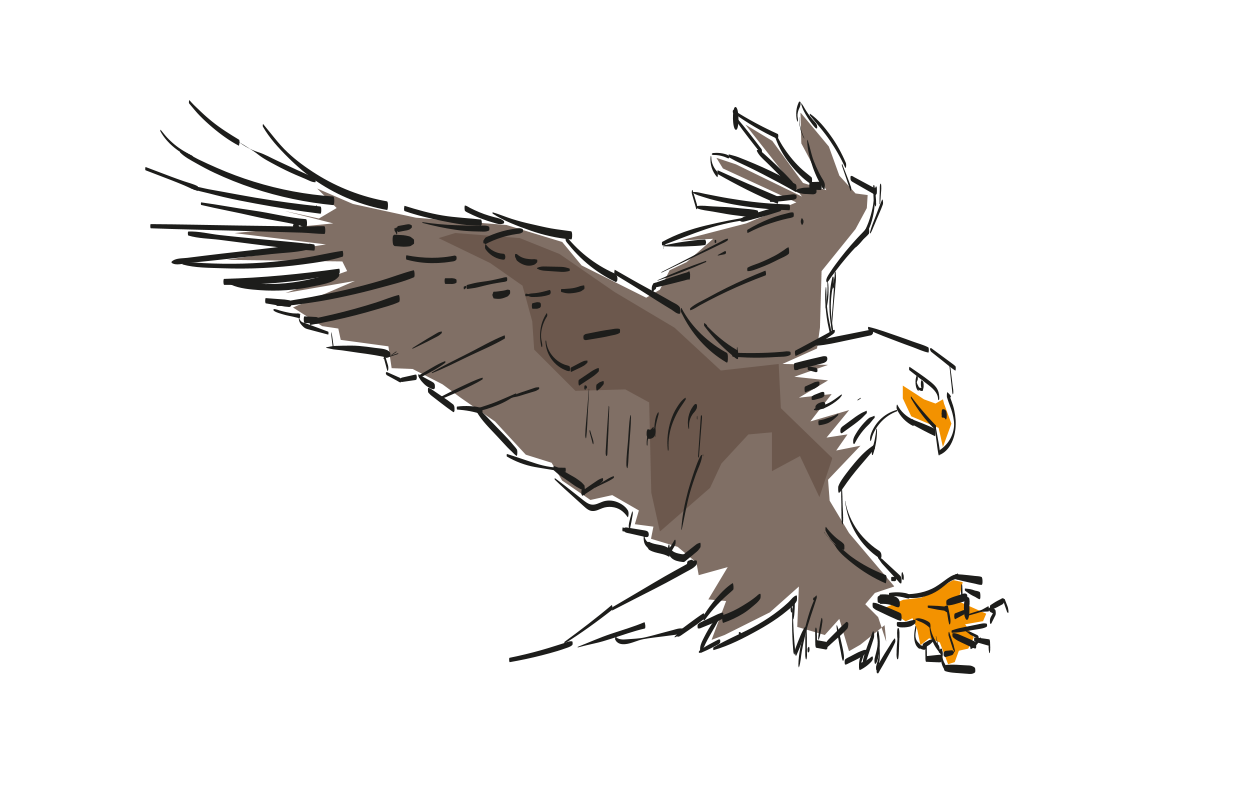
IT WAS THE GOLDEN EAGLE
The golden eagle is a large bird of prey with a wingspan of up to 2.5 meters. It is a majestic flyer and skilled hunter that lives in mountains and open landscapes. Its powerful talons are used to seize prey such as marmots, hares, and foxes. Its plumage is dark brown with a golden brown neck, the distinguishing feature of the “king of the skies.”
animal number 3 Nickname: master snow lamp
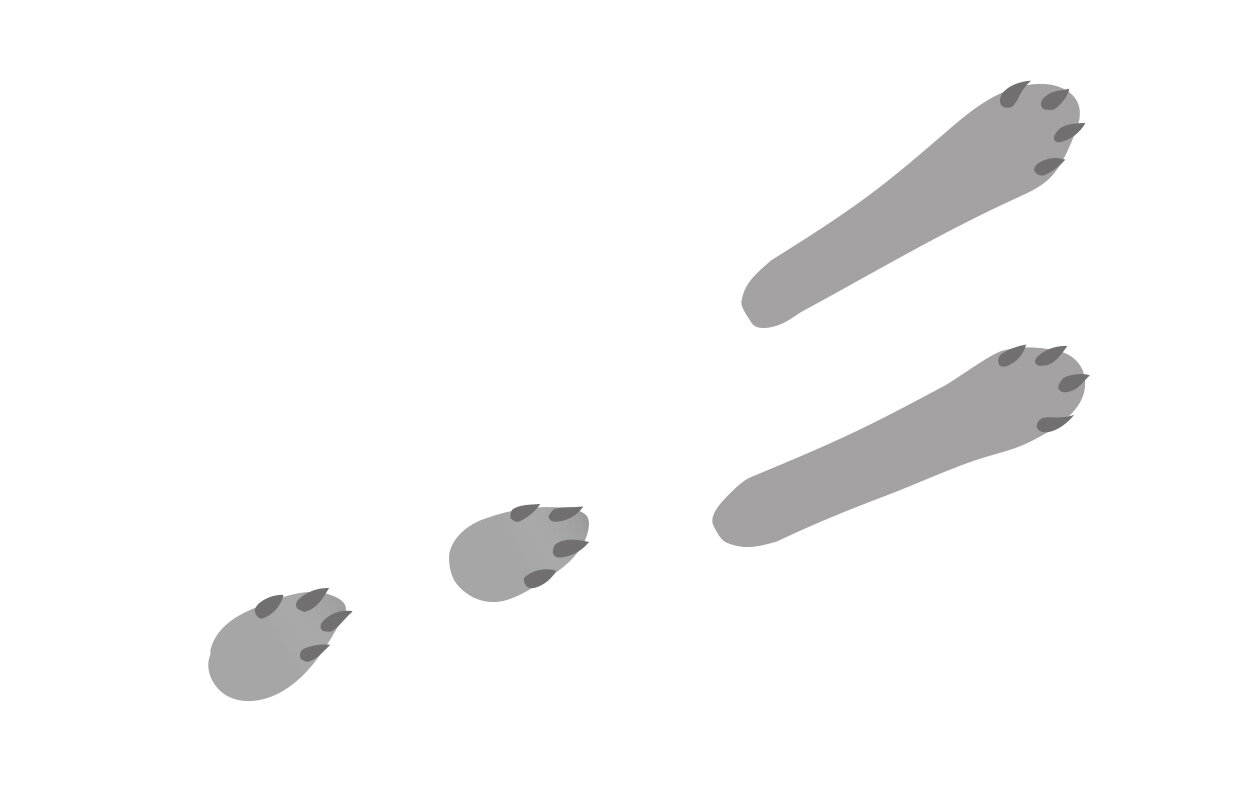
It moved forward with powerful leaps—a rhythmic pattern reminiscent of small pair skis. Two larger prints in front, close together, and two smaller ones behind, further apart—almost as if the animal were running backwards. But appearances are deceiving: the long hind legs are responsible for this unusual arrangement.
The trail winds through the snow in wide arcs, sometimes turning abruptly, as if the animal had suddenly caught a scent. The prints clearly show that someone with impressive speed and strong muscles was on the move here, well adapted to life in open, often snowy landscapes.
solution
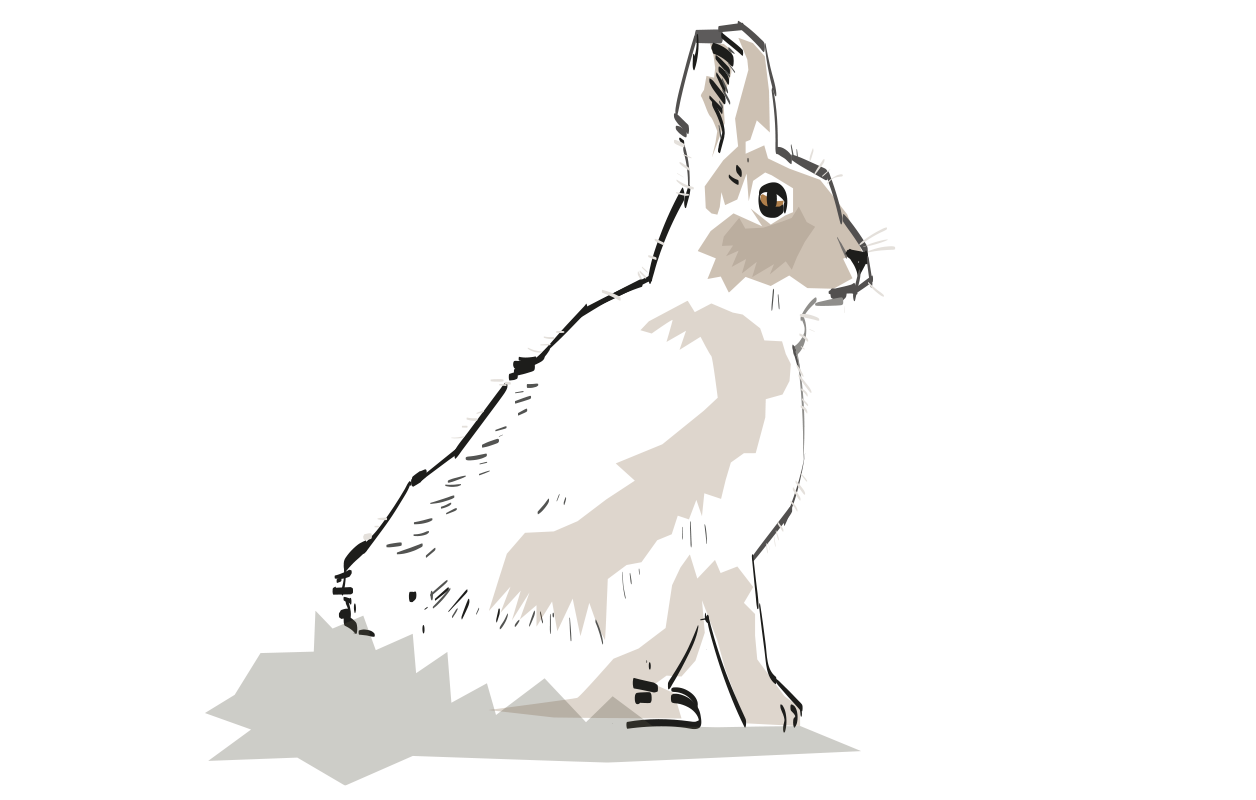
IT WAS THE Snow Hare
It leaves behind a typical jumping pattern: its large hind paws land in front of its smaller front paws, making it look as if it is running backwards. With its long hind legs, it moves quickly and quietly, especially at dusk or at night. Snow hares are extremely well adapted to cold habitats: their large, thickly furred feet act like snowshoes and prevent them from sinking into the snow. They feed on bark, twigs, grasses, and herbs – and rely on camouflage and swift flight when danger threatens.
animal number 4 Nickname: Bambi

This animal moved lightly and cautiously. Its tracks appear elegant, almost delicate, two narrow, elongated prints side by side, like small pointed hearts in the ground. Sometimes smaller prints can be seen next to them, made by the rear claws, which are only visible on soft ground or during rapid movements.
The path often winds through the forest, past bushes and across clearings. Sometimes hesitant, sometimes determined. If you look closely, you can see that this animal is alert, shy, and well adapted to life among the trees and meadows. It relies on its keen senses, always ready to flee at lightning speed when danger threatens.
solution
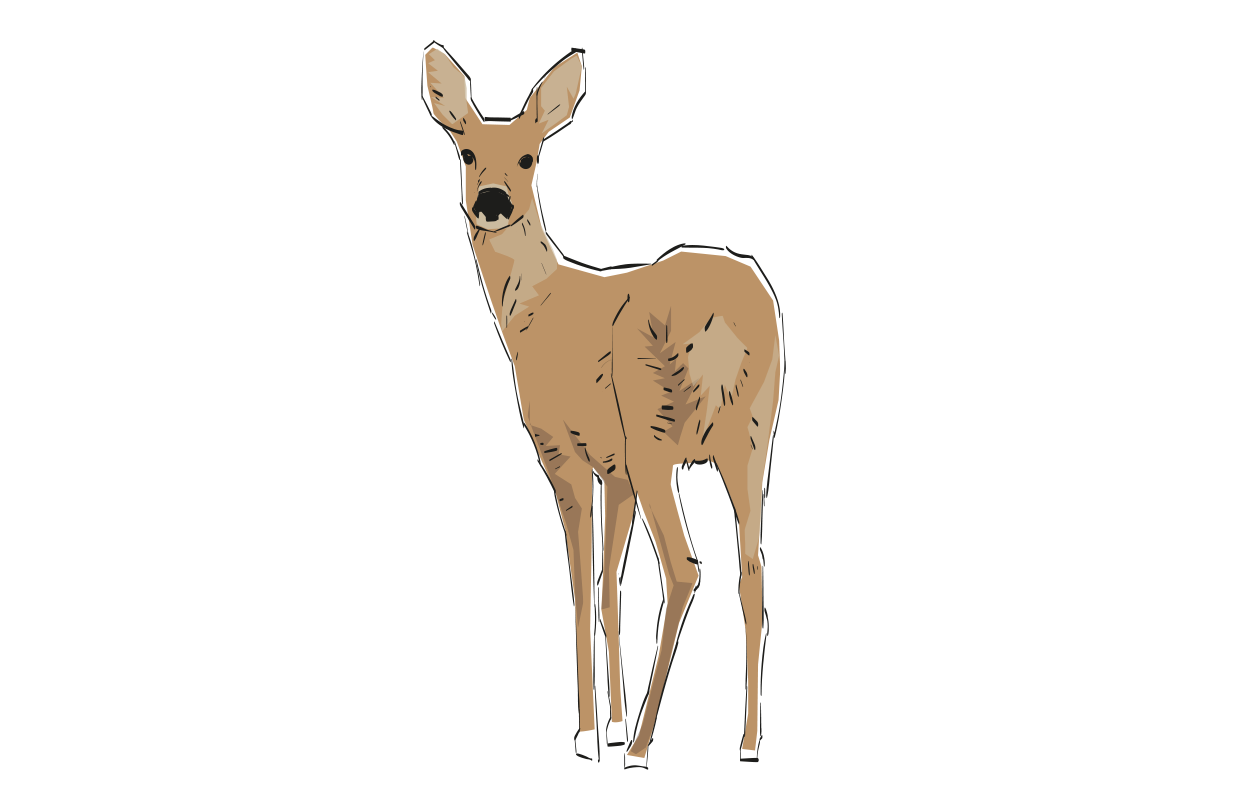
IT WAS THE DEER
Its hooves leave two narrow, elongated prints, typical of hoofed game. On soft ground or when moving quickly, the rear hoof prints may also be visible. Deer are crepuscular and nocturnal and prefer to live in forests with adjacent meadows. They are very shy, move quietly, and often remain motionless when danger threatens before leaping away. Deer feed on herbs, grasses, buds, and young shoots and travel in small groups almost all year round.
animal number 5 nickname: Rocky

This trail leads over rocky slopes and narrow paths — where other animals would have turned back long ago. The footprints are heart-shaped and come from cloven hooves that adapt perfectly to uneven ground.
The distance between the footprints reveals that the animal moves confidently, powerfully, and calmly — even on steep terrain. Sometimes close together, sometimes far apart, depending on whether it is climbing, jumping, or moving slowly.
solution
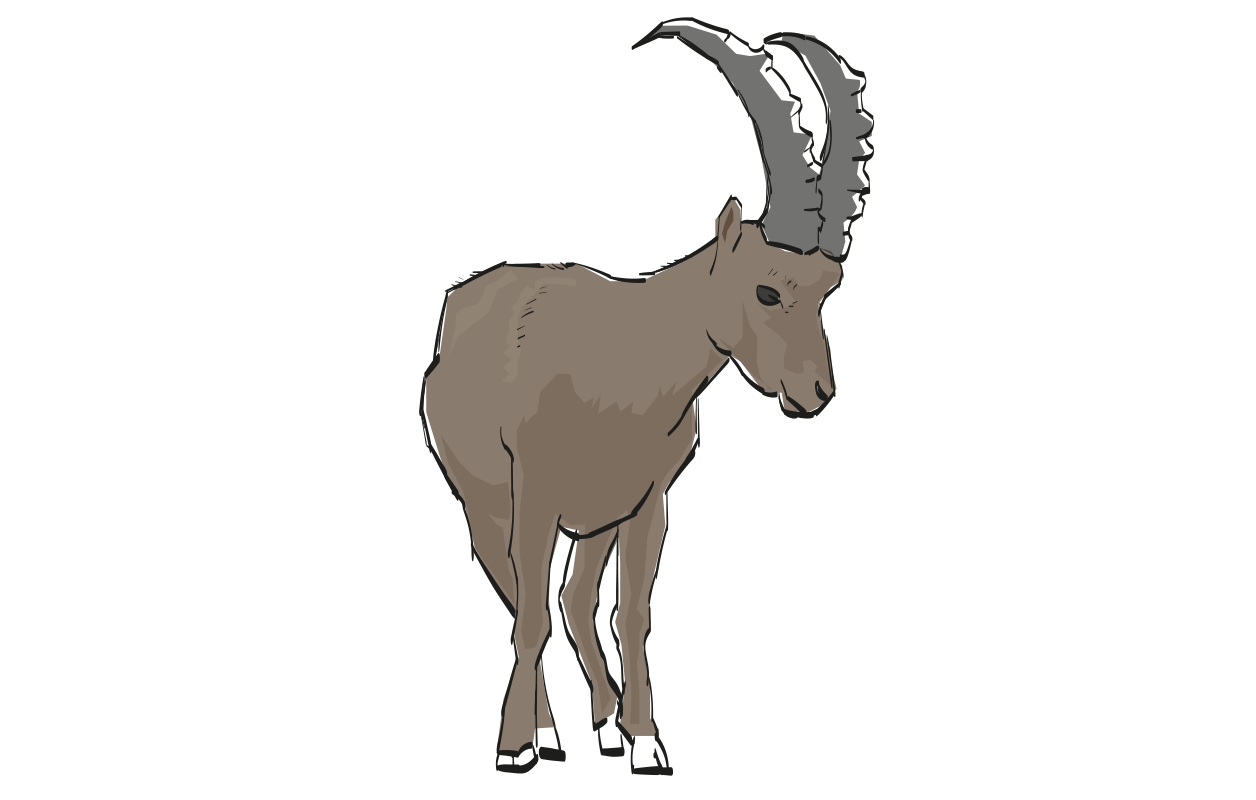
IT WAS THE IBEZ
Its hooves are perfectly adapted to rocky terrain: split, with a hard edge and soft sole, ideal for climbing steep rocks. The prints are heart-shaped and often clearly visible on snow or soft ground. Ibexes live in alpine regions and usually stay above the tree line. They are diurnal, sure-footed, and amazingly agile, even in seemingly inaccessible terrain. Male animals have impressively curved horns that can grow up to a meter long over the years.
animal number 6 Nickname: Brush ear

This animal moved silently through the forest with soft, springy steps. The tracks are roundish, with four toes, but no claw marks. A clear sign: a stealthy creature that can retract its claws was on the move here. The prints look as if they were stamped, evenly spaced, with a distance between them that suggests a smooth, cat-like gait.
It usually moves at dusk or at night, cautiously and almost invisibly. Anyone who discovers such tracks has probably had a visit from an extremely shy inhabitant of the woods, which is hardly ever seen but hears and smells everything.
solution
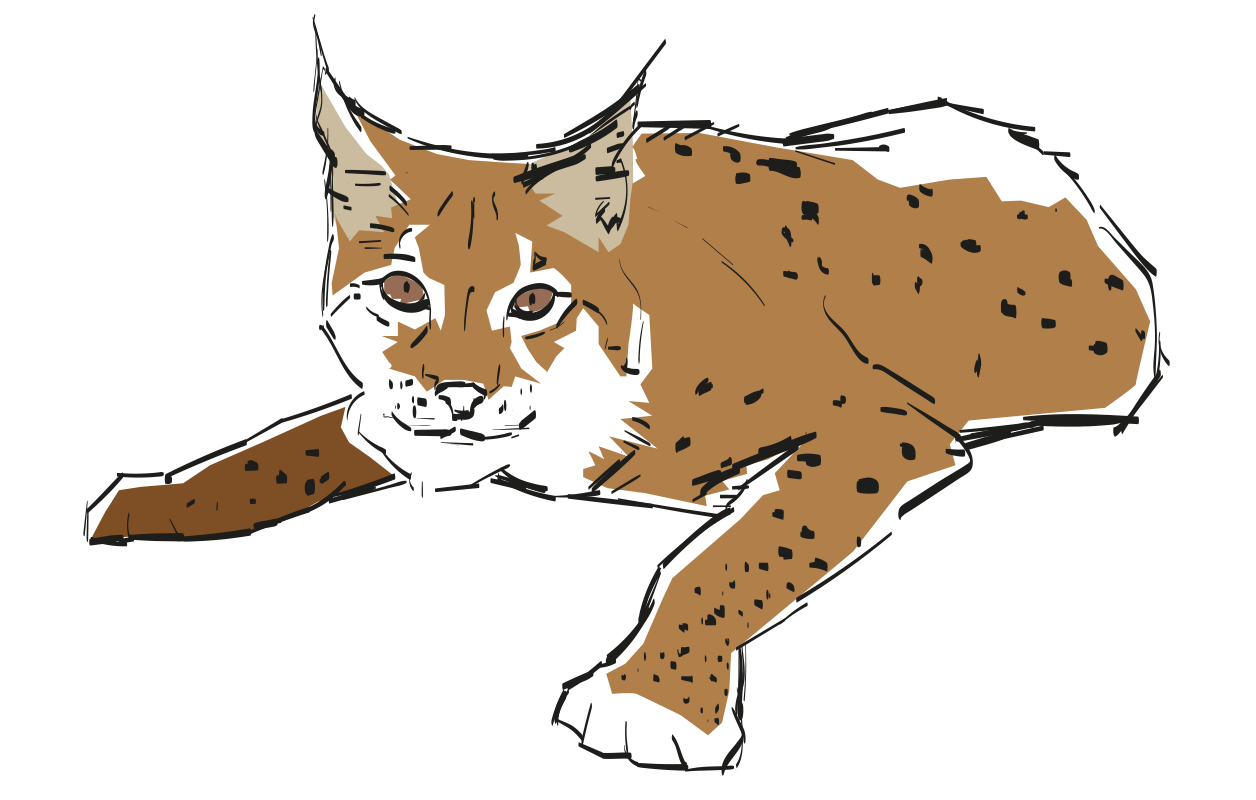
IT WAS THE LYNX
Its paw prints are round, about the size of a child's fist, with four toes – claws are usually not visible because cats retract them when walking. This results in a typical “stamped” track. Lynxes are solitary animals and mainly active at dusk and at night. They move quietly and purposefully through their large territories. As skilled hunters, they prey on deer, hares, and birds, relying on their excellent senses, especially their exceptionally good hearing. Typical features of the lynx are its tufted ears, short stubby tail, and spotted coat.
animal number 7 Nickname: King of the Forest
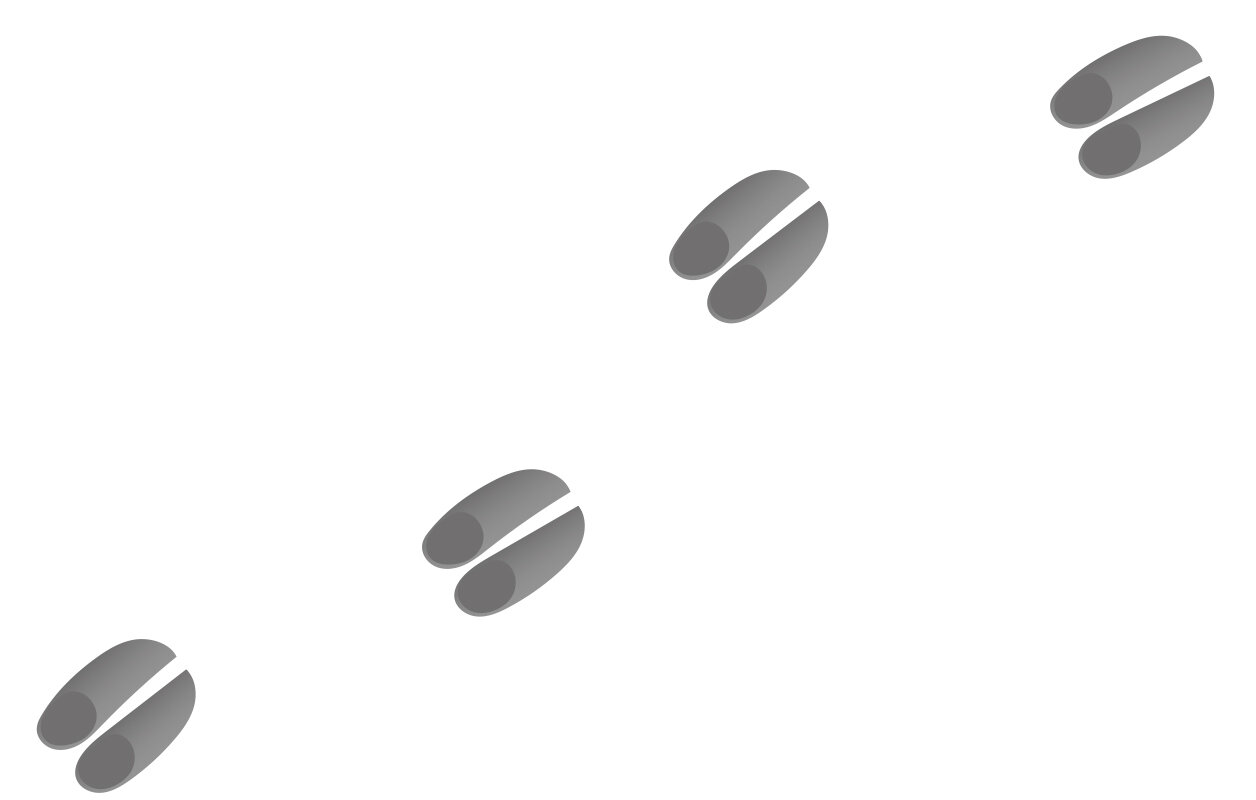
The trail winds powerfully yet elegantly through woods and fields. The footprints are large and heart-shaped, significantly larger than those of a deer. Sometimes you can see the delicate prints of the hind claws, an indication of a heavy, majestic animal.
The steps are wide apart, the gait showing endurance and strength. This animal often roams its territory at dusk or at night, but also moves cautiously during the day.
solution
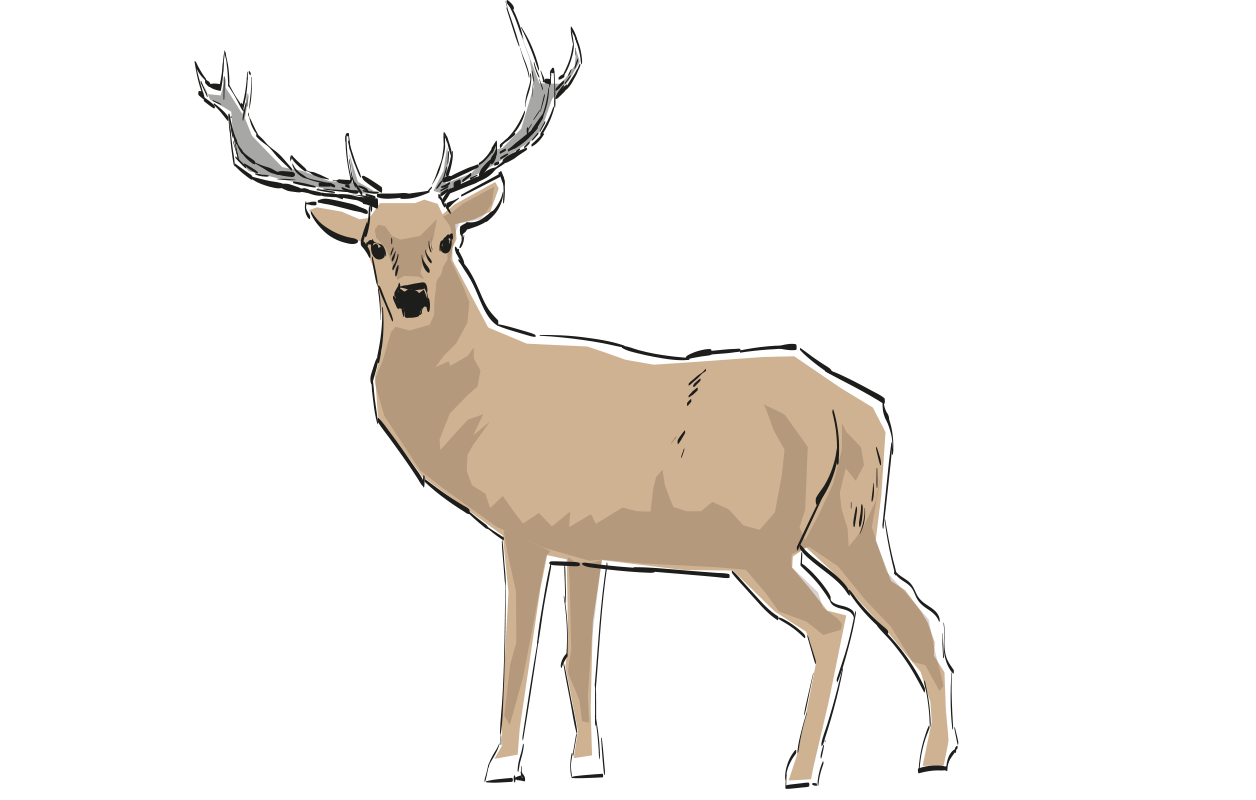
IT WAS THE DEER
Its hooves are larger and stronger than those of a roe deer, and its footprints appear wider. Sometimes the rear hoof prints are also visible, especially on soft ground or when the animal is moving quickly. Deer are crepuscular and nocturnal, live in forests and forest clearings, and move with a powerful yet elegant gait. The male deer are particularly known for their impressive antlers, which grow back every year and are displayed during the rutting season in autumn.
animal number 8 Nickname: Game Cock
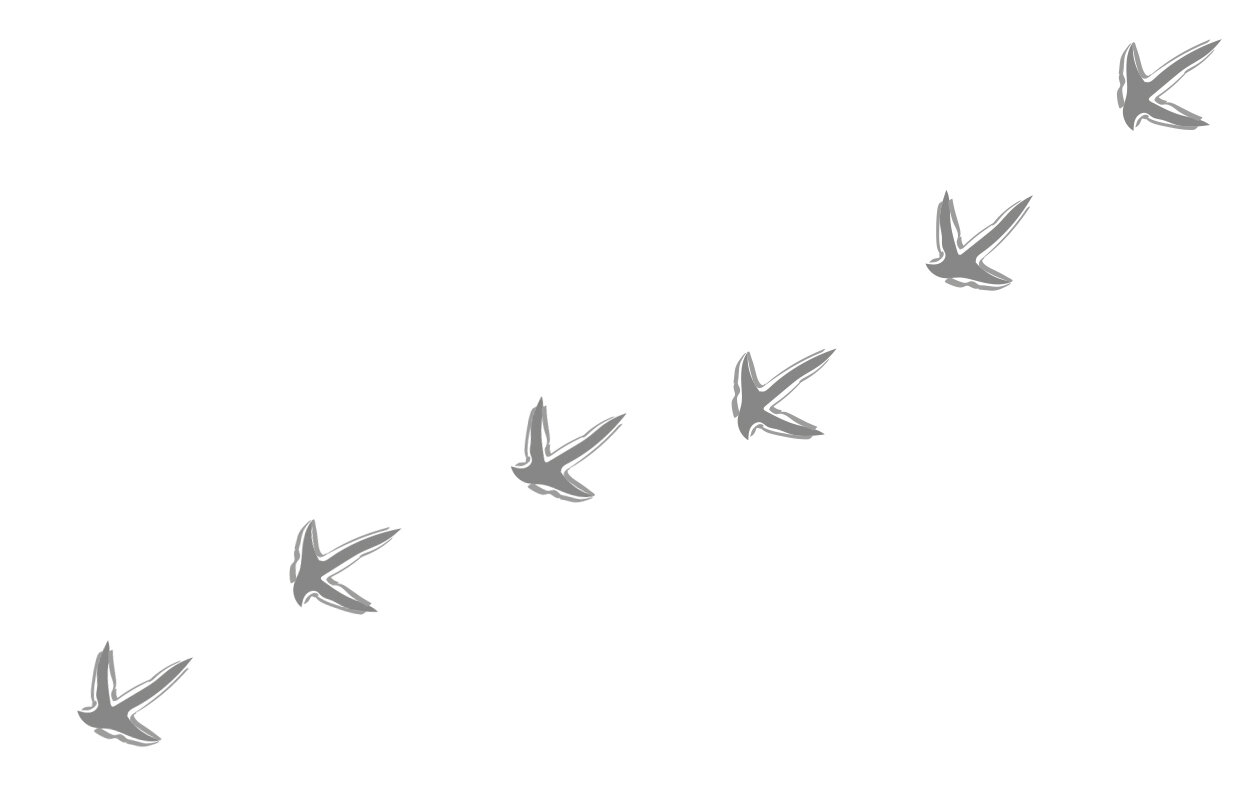
The tracks are wide and conspicuous, like two drops standing side by side, slightly oval and with small claw marks in front of them. The gait appears waddling, sometimes the animal even leaves small scratches in the ground, as if it had been searching for something.
The animal usually moves through dense forests and moorland, often at dawn or dusk. If you look closely, you will discover traces of powerful feet that find good grip in the soft ground – perfect for a ground dweller with strong legs and an impressive courtship ritual.
solution
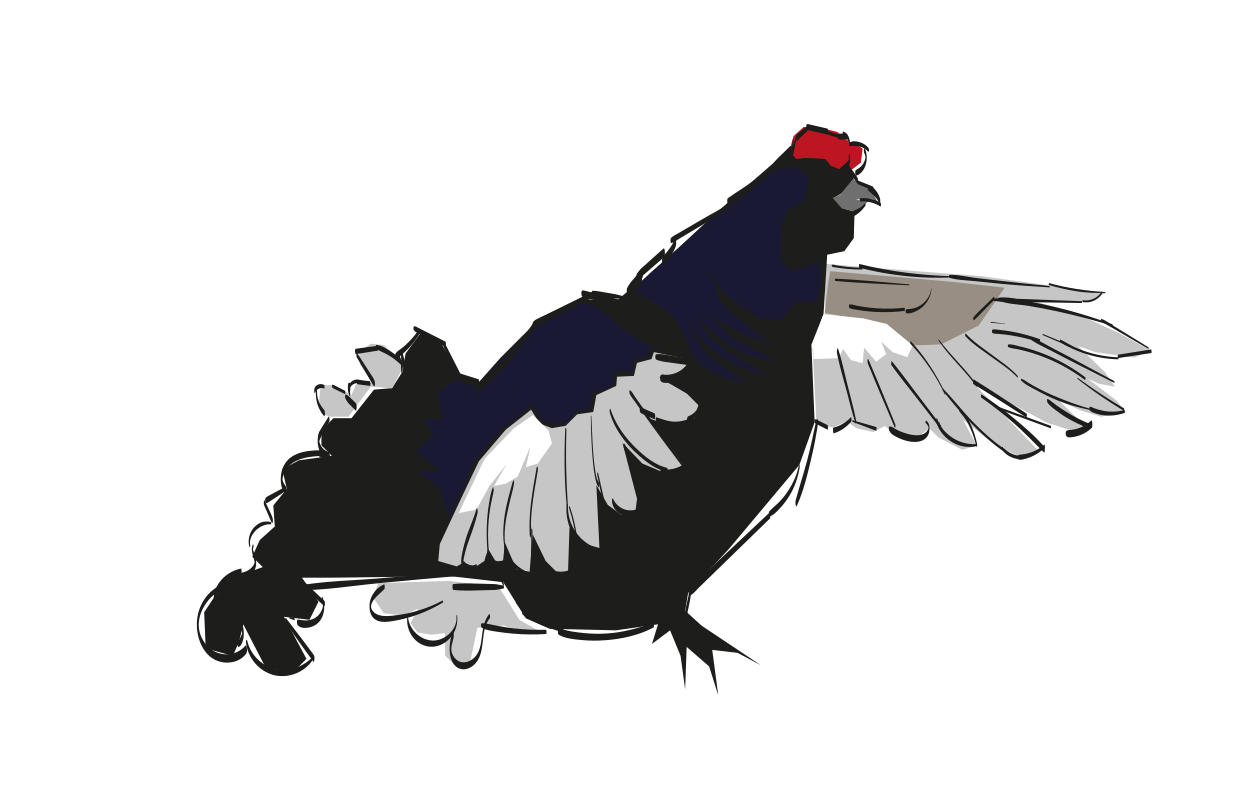
IT WAS THE CAPERCAILLIE
Its broad, oval footprints with distinctive claws show how well adapted it is to life in the forest. Capercaillies move around on the ground with a waddling gait and prefer dense coniferous forests and moorland areas. They are particularly well known in spring for their impressive courtship ritual, during which the males trumpet loudly and display their spread tail feathers. Their diet consists of buds, needles, berries, and insects.
animal number 9 Nickname: Mountain goat
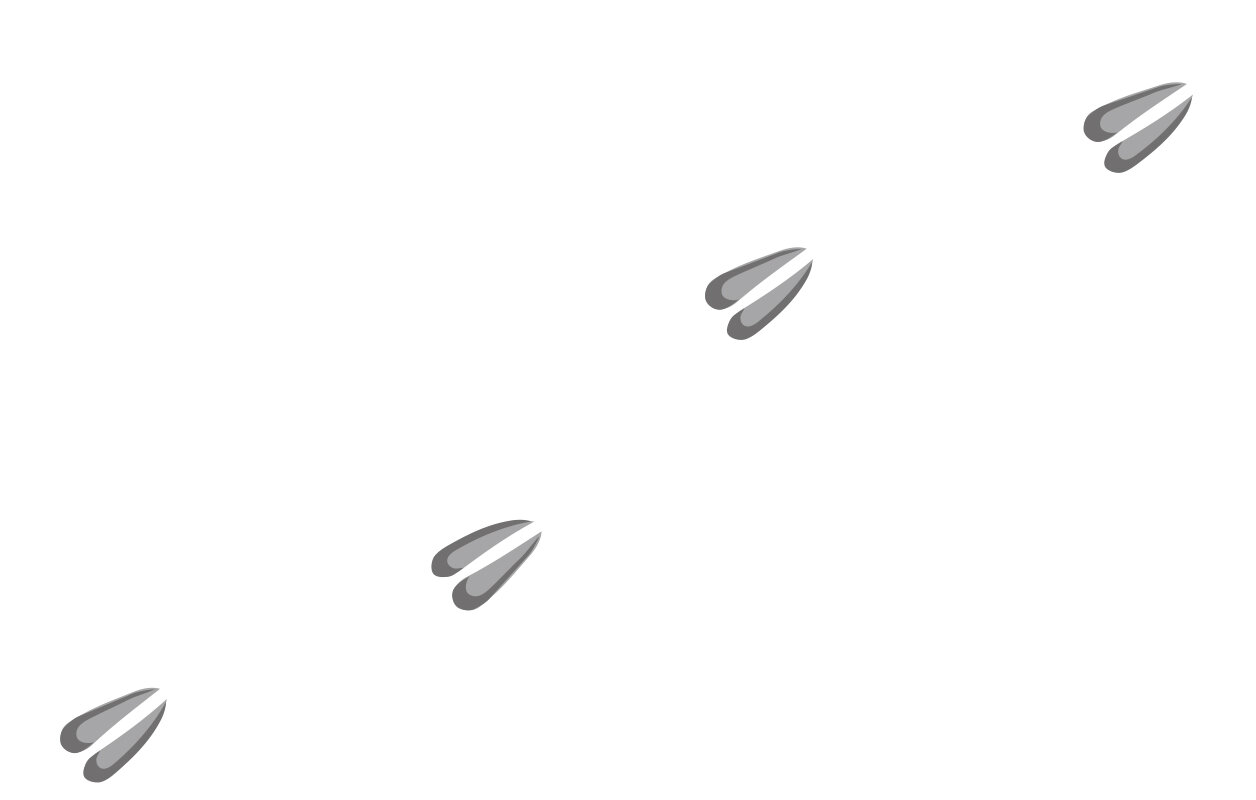
The trail often leads over steep, rocky slopes and narrow paths. The prints are small, narrow, and pointed, perfect for a secure footing on uneven, often slippery ground.
The hooves are usually close together, almost dancing, with short, quick steps. Sometimes you can see small scrapes at the edge of the trail, as if the animal had been looking for something to hold on to.
solution
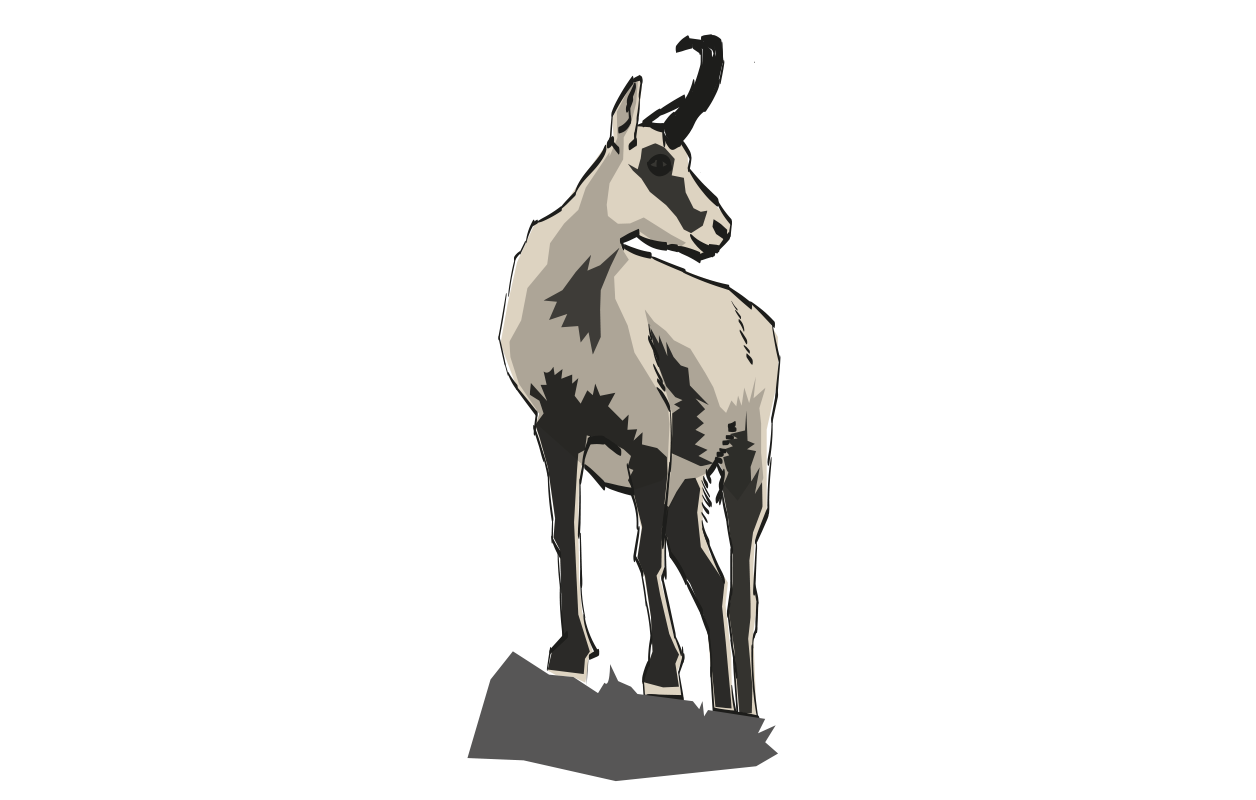
IT WAS THE CHAMOIS
Their small, pointed hooves are particularly well adapted to rocky and steep habitats and enable them to maintain a secure footing on difficult terrain. Chamois often move in groups and are diurnal. They feed on grasses, herbs, and shrubs. Despite their mountain home, they are agile and fast, can change direction abruptly, and use their sure-footedness to escape from predators.
animal number 10 Nickname: TRANSFORMATION ARTIST
The tracks appear robust and somewhat rounder than those of some other forest birds. Four toes with small claws are clearly visible in the soft ground. The steps are usually close together and show slow, deliberate walking. A ground dweller that likes to move between shrubs and open areas.
Small scratches can sometimes be seen between the footprints, perhaps from searching for food. This animal is usually active in the early morning or at dusk and feels particularly at home in cool moorland and forest landscapes.
solution
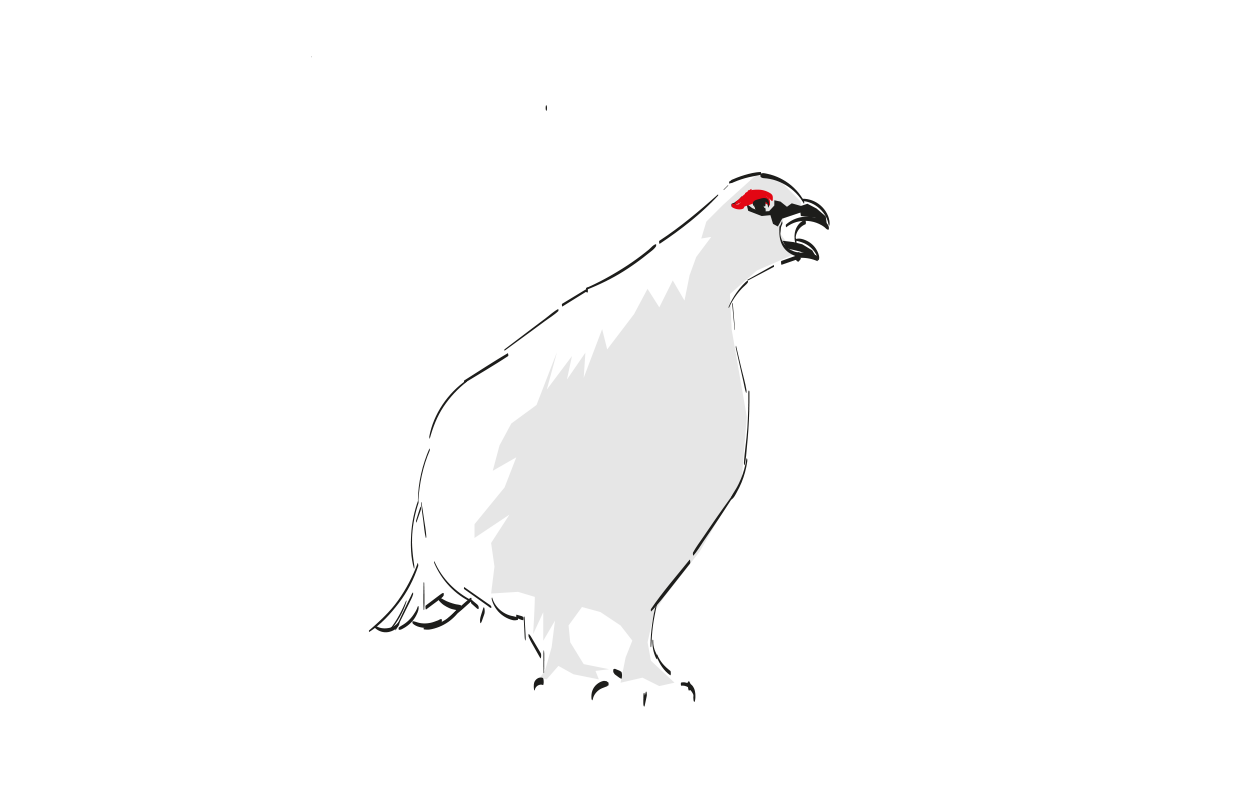
IT WAS THE ROCK PTARMIGAN
Its footprints are round with four toes and clearly visible claws. Rock ptarmigans mainly move around on the ground, are crepuscular, and feed on buds, berries, needles, and insects. They are known for their striking courtship rituals, in which the males court the females with gurgling sounds.
Especially in late summer and fall, they undergo a molt, renewing their dense plumage, an important process for optimal protection during the cold months.


